Sistema Telefónico Para Tiendas: Recepcionista IA
Tu tienda acaba de perder otra venta. Un cliente llamó durante el ajetreo del sábado, nadie contestó, y se fue con un competidor de la otra cuadra. Pasa mucho más de lo que la mayoría de los dueños de tienda cree. Y cuesta dinero real.
Aquí un número que vale la pena mirar: las pequeñas empresas pierden en promedio $126,000 al año por llamadas perdidas. Para las tiendas con mucho tráfico y equipos pequeños, el problema es peor. Tu personal atiende a los clientes en el local, acomoda estantes, cobra en la caja. El teléfono suena. Nadie lo toma.
Un sistema telefónico para tiendas con una recepcionista con IA cambia esa ecuación por completo.
Stan tiene dos locales en Austin. Buen equipo, clientes leales, márgenes sólidos. Pero cuando por fin revisó sus datos telefónicos, descubrió que casi un tercio de las llamadas entrantes iba al buzón de voz en las horas pico.
No eran llamadas de spam. Los clientes preguntaban por la disponibilidad de productos, los horarios y las políticas de devolución. Algunos estaban listos para comprar. ¿Te suena familiar?
Una recepcionista con IA arregla esto sin sumar personal. Contesta cada llamada, maneja las preguntas comunes, dirige el resto a la persona correcta, y lo hace a toda hora. Sin música de espera. Sin buzones de voz que no llevan a nada.
En breve:
- Un sistema telefónico para tiendas con una recepcionista con IA contesta cada llamada 24/7, así dejas de perder ventas en el buzón de voz durante las horas pico y después de cerrar.
- Las pequeñas empresas pierden en promedio $126,000 al año por llamadas perdidas, y las tiendas ocupadas con equipos pequeños lo sienten más.
- Una recepcionista con IA maneja las preguntas comunes de una tienda (inventario, horarios, devoluciones, estado del pedido) y solo pasa las llamadas complejas al personal.
- La mayoría de las tiendas paga de $100 a $500 al mes por la contestación de llamadas con IA, frente a los $3,750 a $4,000 al mes de un recepcionista humano de tiempo completo que solo cubre el horario de oficina.
- La configuración suele tardar menos de un día: eliges un plan, armas una base de conocimiento, defines el enrutamiento y lo pruebas.
Por Qué Las Tiendas Pierden Tantas Llamadas
No es que a los equipos de tienda no les importe el teléfono. Están demasiado ocupados.
Imagina un sábado típico en una tienda concurrida. Tres personas en el piso. Una está en la caja, otra ayuda a un cliente a encontrar la talla correcta, y la tercera reabastece inventario en la trastienda.
El teléfono suena. Todos lo oyen. Nadie puede tomarlo.
Esto se repite una y otra vez, todos los días. Según una investigación de Salesforce, el 88% de los clientes dice que una buena experiencia de servicio los hace más propensos a comprar de nuevo. Pierde su llamada, y no solo pierdes esa venta. Pierdes también su negocio futuro.
El comercio minorista tiene algunos retos específicos que hacen las llamadas perdidas peores que en otras industrias:
- Las horas pico coinciden con el volumen de llamadas. Tus momentos más ocupados en el local son cuando más gente llama. Fines de semana, horas de almuerzo, temporadas festivas. El teléfono suena más fuerte justo cuando tu equipo está más al límite.
- Los equipos pequeños no pueden con ambas cosas. Contrataste personal de piso, no recepcionistas. Pedirles que contesten el teléfono mientras ayudan a un cliente que tienen enfrente crea una mala experiencia para todos.
- Las llamadas fuera de horario no llegan a ningún lado. La mayoría de las tiendas cierra a las 6 o 7 PM. Los clientes que llaman a las 8 PM caen en un buzón de voz genérico y rara vez se molestan en dejar mensaje. Simplemente llaman a la siguiente tienda.
- Los tiempos de espera acaban con la paciencia. Incluso cuando el personal logra contestar, dejar a los clientes en espera mientras hace malabares con las tareas del local lleva a que cuelguen. La mayoría de quienes llaman no espera mucho antes de rendirse y probar la siguiente tienda.
- Los pedidos en línea crean toda una nueva ola de llamadas. Esto es lo que muchos pasan por alto: la mayoría de las tiendas no tiene una gran presencia en línea. Venden sobre todo en el local. ¿Pero las que sí toman pedidos en línea? Esos pedidos generan llamadas. "¿Dónde está mi entrega?" "¿Puedo devolver esto en la tienda?" "Mi pedido llegó dañado." Tu personal de piso no está capacitado ni equipado para manejar las llamadas de soporte de e-commerce mientras cobra a los clientes del local al mismo tiempo.
¿La peor parte? La mayoría de las tiendas no lleva registro de nada de esto. Las llamadas perdidas se acumulan en silencio. Los ingresos salen por la puerta sin que nadie se dé cuenta.
Y se acumula con el tiempo. Un cliente que no puede localizarte una vez quizás lo intente de nuevo. ¿Pero después de dos o tres intentos fallidos? Se fue para siempre. Ya encontró otra tienda que contestó el teléfono.
Cuesta mucho más ganar un cliente nuevo que conservar uno actual. Así que cada llamada perdida no es solo una venta perdida. Es una relación que ahora tienes que reconstruir desde cero, si es que tienes la oportunidad.
¿Qué Hace Una Recepcionista Con IA Por Una Tienda?
Una recepcionista con IA contesta la línea telefónica de tu tienda, entiende lo que necesita cada persona que llama y, o maneja la solicitud, o la dirige a la persona correcta. Cubre revisiones de inventario, horarios, devoluciones y citas 24/7, así ninguna llamada va al buzón de voz en las horas pico o después de cerrar.
Piénsalo como una recepción virtual muy capaz que nunca toma un descanso. Es un software que se conecta con tu número de empresa y empieza a trabajar en cuanto alguien llama.
Así se ve una llamada típica:
- El cliente llama a tu tienda. La IA contesta al instante. Sin timbres, sin tiempo de espera.
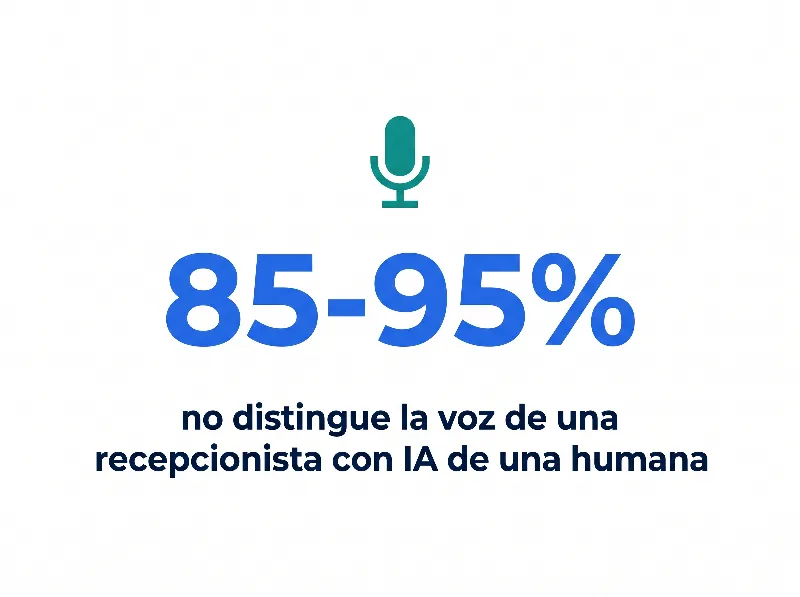
- La saluda de forma natural. Con el nombre de tu tienda, en un tono conversacional. En pruebas a ciegas, entre el 85% y el 95% de quienes llaman no distingue entre las voces de IA de hoy y una recepcionista humana. La tecnología llegó a ese nivel.
- Maneja la pregunta. ¿Horarios? Respondido. ¿Disponibilidad de un producto? Revisado. ¿Política de devolución? Explicada. Toma de la info de tu negocio para dar respuestas precisas y específicas.
- Las solicitudes complejas se dirigen. Si quien llama necesita un departamento o empleado en particular, la IA lo transfiere directo. Sin adivinar, sin rebotar entre extensiones, sin "espere mientras busco a alguien".
- Captura todo. Nombre, número, motivo de la llamada, seguimiento necesario. Cada detalle queda registrado para que tu equipo pueda actuar después.
La gran diferencia aquí es la velocidad. Una recepcionista con IA contesta cada llamada en un timbre. Eso importa porque los estudios sugieren que la conversión de prospecto a cita sube mucho cuando los negocios responden en segundos en lugar de minutos.
Y no sale a descansar. Noches, fines de semana, festivos, días de nieve. Tu tienda quizás cierre a las 6 PM, pero tu sistema telefónico no tiene por qué hacerlo.
Algo que confunde a la gente es la comparación con los viejos menús automáticos. Ya conoces el tipo: "Marca 1 para horarios, marca 2 para devoluciones, marca 3 para hablar con un asesor." Esos árboles de menú frustran a quien llama y se sienten impersonales.
Una recepcionista con IA es distinta. Tiene una conversación. Quien llama habla de forma natural, y la IA entiende y responde igual. Se parece más a hablar con una persona real que a navegar un árbol telefónico.
Para las tiendas en concreto, las llamadas más comunes que maneja una recepcionista con IA incluyen:
- "¿Tienen esto en existencia?" La IA revisa los datos de tu inventario y da una respuesta al instante. Sin dejar al cliente en espera mientras alguien camina a la trastienda.
- "¿Cuál es su horario?" Respondido en segundos, incluidos los horarios de festivos.
- "¿Puedo devolver esto?" La IA le explica tu política de devolución e incluso puede iniciar el proceso.
- "Necesito agendar una cita." Para las tiendas que ofrecen asesorías, pruebas de ropa o compras personalizadas, la IA revisa tu calendario y reserva el espacio.
- "¿Me pueden transferir con el gerente?" Dirigido directo, con contexto sobre por qué llama para que el gerente no vaya a ciegas.
- "¿Dónde está mi pedido en línea?" Para las tiendas que venden en línea, esta llamada llega todo el tiempo. La IA puede traer el estado del pedido con un número de rastreo o un correo y darle al cliente una actualización al instante. Se acabó ocupar al personal para leer datos de rastreo de una pantalla.
Estos tipos de llamada son la enorme mayoría de lo que maneja el teléfono de tu tienda. Una recepcionista con IA resuelve casi todas sin involucrar nunca a tu personal.
Funciones Que Importan En Un Sistema Telefónico Para Tiendas
No todo sistema telefónico está hecho pensando en las tiendas. Cuando compares opciones, enfócate en lo que de verdad importa para tu tipo de negocio.
Sáltate los sistemas empresariales con 50 funciones que nunca vas a tocar. La mayoría de las tiendas necesita unas cinco cosas clave de su sistema telefónico, y todo lo demás es solo ruido.
1. Contestación de llamadas con IA
Esta es la grande. Tu sistema debe contestar las llamadas automáticamente, entender las preguntas de todos los días y dar respuestas reales. No un árbol telefónico con "marca 1 para horarios". Una conversación de ida y vuelta que resuelve el problema de quien llama.
2. Enrutamiento de llamadas por local y departamento
Si manejas varios locales, quien llama debería llegar a la tienda correcta sin esfuerzo. Un buen enrutamiento significa que un cliente que llama por un pedido de tu local del centro no termine hablando con alguien del almacén.
3. Manejo fuera de horario
Tu recepcionista con IA debe trabajar cuando tu personal no. Las llamadas fuera de horario deben seguir contestándose, las preguntas comunes deben seguir resolviéndose y los asuntos urgentes deben mandar una notificación al teléfono de la persona correcta.
4. Resúmenes y transcripciones de llamada
Cada llamada debe producir un resumen que tu equipo pueda revisar. Quién llamó, qué necesitaba, qué pasó después. Aquí es donde los asistentes de voz con IA muestran de verdad su valor. Convierten cada llamada en datos accionables en lugar de un buzón de voz olvidado que nadie revisa.
5. Integración con tus herramientas actuales
Tu sistema telefónico debe conectarse con las herramientas que ya usas. Calendario para citas, CRM para registros de clientes, apps de mensajería para notificar al equipo. Si el sistema telefónico no encaja en tu flujo diario, tu equipo no se molestará en usarlo.
6. Seguimientos por SMS y texto
Esta es cada vez más importante. Después de una llamada, la IA puede mandarle al cliente automáticamente una confirmación, un enlace a tu formulario de devolución o un recordatorio de su cita.
Los compradores más jóvenes en especial prefieren recibir un texto que quedarse al teléfono. Un sistema que combina voz y texto cubre más terreno.
Esto es lo que puedes saltarte sin problema: videoconferencias, menús IVR avanzados, funciones de centro de llamadas como marcadores predictivos y paneles de administración de varios niveles. Eso está hecho para empresas con 50 o más agentes telefónicos. No para tiendas con un puñado de locales.
¿Por qué importa tanto esto en el comercio minorista? Porque el tiempo de tu personal es tu recurso más caro. Cada minuto que pasan contestando una llamada sobre los horarios es un minuto que no pasan con un cliente que tienen enfrente. Un buen sistema telefónico para tiendas debe proteger el tiempo de tu equipo, no comérselo.
Si todavía estás viendo qué tipo de sistema encaja mejor, esta guía sobre cómo elegir el sistema telefónico correcto desglosa las opciones principales.
¿Cómo Configuras Una Recepcionista Con IA Para Tu Tienda?
Configurar una recepcionista con IA toma menos de un día, y algunas tiendas salen en vivo en menos de una hora. Elige un proveedor y un plan, arma una base de conocimiento con tus horarios y políticas, define el enrutamiento, personaliza el saludo, pruébalo tú mismo, luego lanza y vigila tus registros de llamadas la primera semana.
Algo que hemos visto en cientos de negocios es que los dueños sobreestiman lo difícil que es esto. Un sistema telefónico VoIP moderno con IA está hecho para salir en vivo rápido, sin hardware que instalar.
Así se ve el proceso normalmente:
Paso 1: Elige tu proveedor y plan. La mayoría de los servicios de recepcionista con IA ofrecen planes mensuales que crecen con tu volumen de llamadas. No necesitas firmar un contrato a largo plazo ni comprar hardware.
Si ya estás en un sistema VoIP, la configuración es aún más rápida porque muchas herramientas de IA funcionan como un complemento de tu número actual.
Paso 2: Arma tu base de conocimiento. Ingresa tus horarios, locales, preguntas comunes, política de devolución, categorías de productos y todo lo demás que los clientes preguntan seguido. De aquí toma la IA cuando contesta las llamadas. Más detalle aquí significa mejores respuestas al teléfono.
Paso 3: Define el enrutamiento de llamadas. Decide a dónde van las llamadas. Quizás todas llegan primero a la IA, y solo las transferencias llegan a tu personal. Quizás las llamadas fuera de horario las maneja del todo la IA mientras las de horario de oficina suenan en el teléfono de tu tienda con la IA de respaldo.
Puedes ajustar esto cuando quieras.
Paso 4: Personaliza el saludo. Mantenlo corto, amable y con la voz de tu marca. "Gracias por llamar a [Nombre de la Tienda], ¿cómo te puedo ayudar?" funciona perfecto. Sáltate los mensajes grabados largos que nadie escucha.
Paso 5: Pruébalo tú mismo. Llama a tu propio número. Haz las preguntas que haría un cliente. Trata de confundirlo. Ve cómo maneja las solicitudes raras.
La mayoría de los sistemas te dejan ajustar las respuestas y reentrenar la IA en minutos, no en días.
Paso 6: Lanza y monitorea. Sal en vivo, luego revisa tus registros de llamadas a diario la primera semana. Fíjate en qué preguntas maneja bien la IA y dónde se traba. Para el final de la segunda semana, ya lo tendrás afinado.
Un error común durante la configuración es dejar la base de conocimiento demasiado escasa. Si un cliente pregunta "¿tienen tenis Nike para correr en talla 11?" y la IA no tiene datos de inventario, cae en una respuesta genérica.
Dedica el tiempo extra a llenar las categorías de productos, las marcas populares y la info de inventario. Entre más sepa tu IA, menos llamadas necesita transferir a un humano.
Otro consejo: no trates de que la IA maneje todo el primer día. Empieza con las 5 preguntas principales que recibe tu tienda y crece desde ahí. Tendrás mejores resultados más rápido que si tratas de cubrir cada escenario posible desde el inicio.
Automatizar tu sistema telefónico no significa arrancar lo que ya tienes. En la mayoría de los casos, significa sumar IA encima.
¿Cuánto Cuesta Una Recepcionista Con IA Para Una Tienda?
La mayoría de las tiendas paga de $100 a $500 al mes por una recepcionista con IA de gama media, mucho menos que los $3,750 a $4,000 al mes que cuesta un recepcionista humano de tiempo completo. Las plataformas VoIP completas cuestan aún menos: los planes de dialnote empiezan desde $19/mes fijos, con una prueba gratis de 10 días y sin tarjeta de crédito.
Desglosémoslo con números reales.
Precios de recepcionista con IA:
- Planes de entrada: $25-$100/mes (contestación básica, minutos limitados)
- Planes de gama media: $100-$500/mes (IA completa, llamadas ilimitadas, soporte para varios locales)
- Planes premium: $500-$3,000/mes (integraciones a medida, soporte dedicado, funciones empresariales)
La mayoría de las tiendas con 1 a 3 locales cae cómodamente en el rango de $100-$500/mes.
Compáralo con un recepcionista humano:
- Salario medio: $33,960/año
- Con prestaciones: $3,750-$4,000/mes
- Cobertura: solo 40 horas por semana (sin noches, sin fines de semana, sin festivos)
Así que pagas $100-$500/mes por cobertura 24/7, o $3,750-$4,000/mes por alguien que trabaja solo en horario de oficina. La cuenta no está cerca. Y a diferencia de un recepcionista humano, la IA no se reporta enferma, no necesita días de vacaciones ni batalla durante la temporada alta cuando el volumen de llamadas se triplica.
Es difícil fijar el ahorro exacto para cada tienda, ya que los tamaños y volúmenes de llamadas varían mucho. Pero los patrones son bastante consistentes. Según el análisis de Expert Market, las pequeñas empresas que cambian a sistemas telefónicos en la nube con funciones de IA suelen ahorrar entre 50% y 70% frente a los esquemas tradicionales.
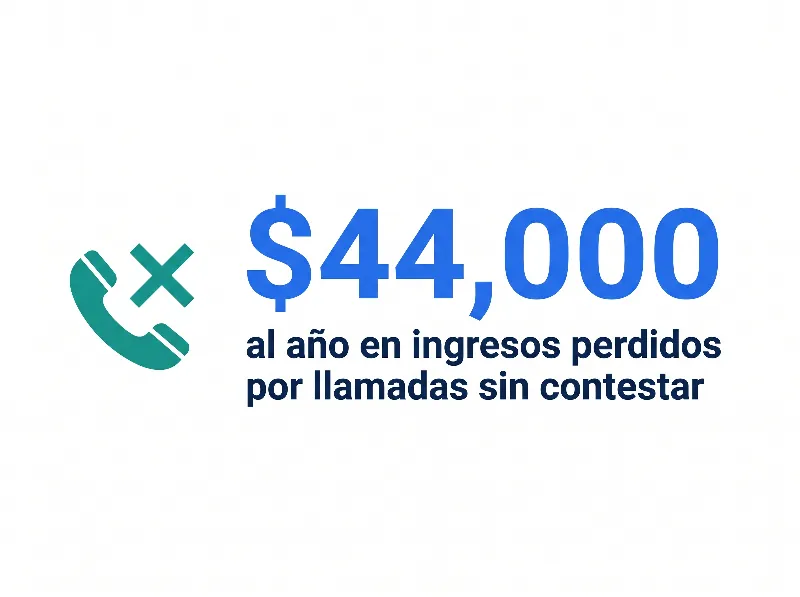
Luego está el lado de los ingresos. Si tu tienda pierde 10 llamadas al día y cada llamada perdida cuesta en promedio $12.15 en oportunidad perdida, eso son $121.50 al día. En un mes, suma $3,645. ¿En un año completo? Estás viendo más de $44,000 en ingresos que simplemente desaparecen.
Aquí una forma rápida de estimar tu propio retorno. Toma el número de llamadas perdidas que recibes por semana (revisa el conteo de tu buzón de voz como referencia aproximada). Multiplícalo por tu valor promedio de transacción.
Incluso si solo el 20% de esas personas hubiera comprado, los ingresos perdidos suman rápido. La mayoría de las tiendas con las que hemos hablado recupera el costo de una recepcionista con IA en el primer mes, solo con las llamadas que habrían quedado sin contestar.
dialnote ayuda a las tiendas a dejar de perder esas llamadas. Es un sistema telefónico con IA que contesta cada timbre, captura cada detalle y le da a tu equipo el contexto que necesita para cerrar más ventas. Para las tiendas que ya gastan dinero en un sistema telefónico que no rinde, cambiar a VoIP con funciones de IA es una de las formas más rápidas de bajar costos y crecer los ingresos al mismo tiempo.
Tu Sistema Telefónico Para Tiendas Debe Trabajar Tan Duro Como Tú
Manejar una tienda es un trajín. Gestionas inventario, capacitas personal, lidias con proveedores y tratas de tener contento a cada cliente. Tu sistema telefónico no debería ser una cosa más de qué preocuparte.
Una recepcionista con IA le quita el teléfono de encima a tu equipo. Cada llamada se contesta. Cada pregunta recibe respuesta. Cada prospecto queda capturado.
Y obtienes datos de qué están preguntando de verdad los clientes, para que tomes mejores decisiones sobre personal, inventario y marketing.
La tecnología ya es lo bastante buena como para que la mayoría de quienes llaman no note que habla con una IA. La configuración toma un día, no semanas. Y el costo mensual es una fracción de lo que pagarías por otro empleado.
Llevamos años trabajando con pequeñas empresas en sus sistemas telefónicos, y el mayor arrepentimiento que oímos es "ojalá lo hubiéramos hecho antes". No porque el viejo sistema fuera terrible. Sino porque una vez que ves lo que es posible cuando cada llamada se contesta y cada interacción se registra, no te imaginas volver atrás.
Si tu tienda sigue perdiendo llamadas, perdiendo prospectos o funcionando con un sistema telefónico que se siente atorado en 2010, es hora de mejorar. Prueba dialnote gratis y ve cómo una recepcionista con IA cambia la forma en que tu tienda maneja cada llamada.
Preguntas frecuentes
Es un software que contesta el teléfono de tu tienda, maneja preguntas comunes como los horarios y las políticas de devolución, y pasa las llamadas complejas al personal. Funciona 24/7, así que no pierdes llamadas después de cerrar.
La mayoría de las tiendas pagan de $100 a $500 al mes por un plan de recepcionista con IA de gama media. Es una fracción de los $3,750 a $4,000 al mes que cuesta contratar a un recepcionista humano de tiempo completo.
Sí, si la conectas con tu sistema de inventario. La IA puede decirle a quien llama si un producto está disponible en un local específico sin dejarlo en espera.
La mayoría no. Los estudios muestran que entre el 85% y el 95% de las personas no distingue entre las voces de IA modernas y una recepcionista humana. La tecnología suena natural y conversacional.
La mayoría de los sistemas de recepcionista con IA en la nube tardan menos de un día en configurarse. Ingresas la info de tu tienda, defines el enrutamiento y lo pruebas. Muchas tiendas salen en vivo en unas horas.

Escrito por
Lancelot Dsouza
Chief Marketing Officer, SmartReach.io
Lancelot Dsouza is the Chief Marketing Officer at SmartReach.io, where he built the Marketing, Sales, and Customer Success verticals from the ground up. With over 25 years of experience spanning digital marketing, business development, and strategic...
Lancelot Dsouza is the Chief Marketing Officer at SmartReach.io, where he built the Marketing, Sales, and Customer Success verticals from the ground up. With over 25 years of experience spanning digital marketing, business development, and strategic...
Artículos relacionados

Recepcionista IA Para Clínicas: Crece Sin Más Personal
Descubre cómo una recepcionista con IA ayuda a las clínicas a contestar cada llamada, reducir las ausencias y crecer sin sumar personal de recepción.

Recepcionista IA Para Paisajismo: No Pierdas Llamadas
Descubre cómo una recepcionista con IA ayuda a los negocios de paisajismo a captar cada cliente, agendar trabajos 24/7 y crecer sin personal extra.
¿Una Recepcionista con IA Hace Crecer tu Contaduría?
Descubre cómo una recepcionista con IA para contadores maneja los picos de llamadas en temporada de impuestos, agenda citas y captura prospectos.